Olea europaea 'Chemlali' (Olive)
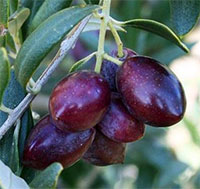
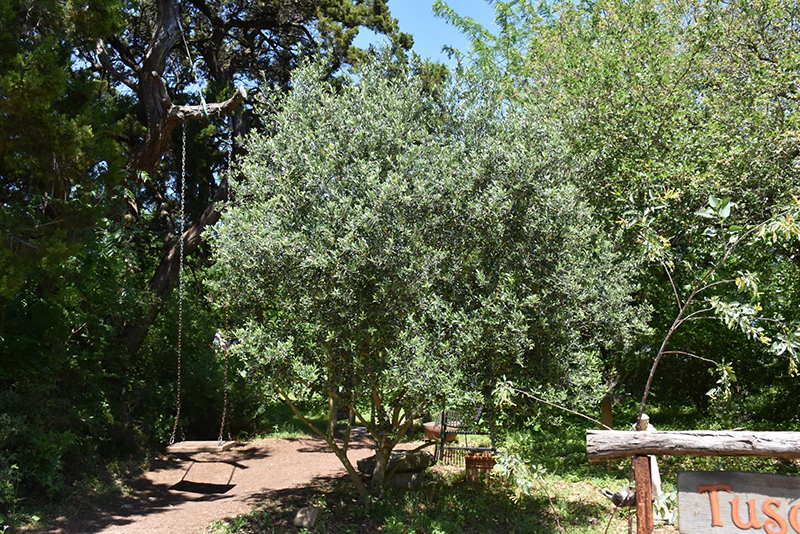
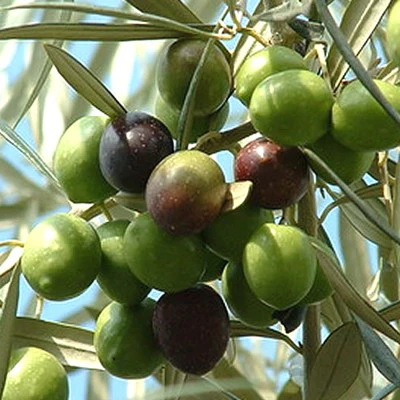
The Chemlali Olive, native to central and southern Tunisia, is prized both for its ornamental appeal and productive qualities. This tree features an upright form with a graceful, spreading canopy and yields abundant small, flavorful dark olives. These olives produce a mild, fruity oil suitable for standalone use or blending. ‘Chemlali’ is self-fertile, fruits early on young trees, and demonstrates strong cold hardiness, drought resistance, and moderate salt tolerance. It performs well in hot summers and adapts to cooler coastal climates. Introducing a different olive cultivar nearby can enhance fruit production.
Original: $9.48
-70%$9.48
$2.84Olea europaea 'Chemlali' (Olive)
The Chemlali Olive, native to central and southern Tunisia, is prized both for its ornamental appeal and productive qualities. This tree features an upright form with a graceful, spreading canopy and yields abundant small, flavorful dark olives. These olives produce a mild, fruity oil suitable for standalone use or blending. ‘Chemlali’ is self-fertile, fruits early on young trees, and demonstrates strong cold hardiness, drought resistance, and moderate salt tolerance. It performs well in hot summers and adapts to cooler coastal climates. Introducing a different olive cultivar nearby can enhance fruit production.
Product Information
Product Information
Shipping & Returns
Shipping & Returns
Description
The Chemlali Olive, native to central and southern Tunisia, is prized both for its ornamental appeal and productive qualities. This tree features an upright form with a graceful, spreading canopy and yields abundant small, flavorful dark olives. These olives produce a mild, fruity oil suitable for standalone use or blending. ‘Chemlali’ is self-fertile, fruits early on young trees, and demonstrates strong cold hardiness, drought resistance, and moderate salt tolerance. It performs well in hot summers and adapts to cooler coastal climates. Introducing a different olive cultivar nearby can enhance fruit production.